
Clinic Janitorial Services: Infection Control & Sanitational Standards
Discover how professional janitorial services for clinics uphold infection control and sanitation standards to protect patients, staff, and visitors while ensuring regulatory compliance.
Table of Contents
- Introduction: The Importance of Janitorial Services in Clinical Environments
- Understanding Infection Control in Healthcare Facilities
- Key Sanitation Standards for Clinics
- Specialized Cleaning Procedures in Clinical Settings
- The Role of Trained Janitorial Staff in Preventing Cross-Contamination
- Conclusion: Partnering with a Trusted Janitorial Services Provider
Introduction: The Importance of Janitorial Services in Clinical Environments
Clinics are high-traffic environments where patient safety and hygiene must be prioritized at all times. Unlike general office spaces, clinical facilities handle vulnerable individuals who may have compromised immune systems, making them more susceptible to infections. Professional janitorial services play a crucial role in maintaining a sanitary environment that minimizes health risks and promotes patient confidence.
Cleanliness in a clinic goes beyond appearance. While a spotless waiting room reassures visitors, the real value of janitorial services lies in reducing pathogens on surfaces, properly disposing of medical waste, and maintaining sterile conditions in treatment areas. Consistent and thorough cleaning supports overall healthcare quality and helps clinics meet strict regulatory standards.
Understanding Infection Control in Healthcare Facilities
Infection control is a structured approach designed to prevent the spread of infectious diseases within healthcare settings. Clinics must adhere to established protocols that include routine disinfection of high-touch surfaces, proper hand hygiene practices, and safe waste management. Effective janitorial services are essential in executing these measures consistently and correctly.
High-touch surfaces such as door handles, light switches, reception counters, examination tables, and restroom fixtures are hotspots for bacteria and viruses. Without systematic cleaning and disinfection, these surfaces can become vectors for cross-contamination. Professional janitorial teams understand the frequency and techniques required to maintain these areas, significantly lowering the risk of healthcare-associated infections.
Key Sanitation Standards for Clinics
Clinics must follow sanitation standards set by health authorities and regulatory agencies to ensure patient safety. These standards typically include the use of hospital-grade disinfectants, adherence to cleaning schedules, proper documentation, and strict protocols for handling biohazard materials. Meeting these requirements is not optional; it is a fundamental part of operating a healthcare facility.
Janitorial services that specialize in clinical environments are familiar with these regulations and incorporate them into daily operations. From color-coded cleaning systems to prevent cross-use of equipment between areas to clear procedures for disinfecting exam rooms between patients, every detail matters. Compliance not only protects patients and staff but also shields the clinic from potential legal and reputational risks.
Specialized Cleaning Procedures in Clinical Settings
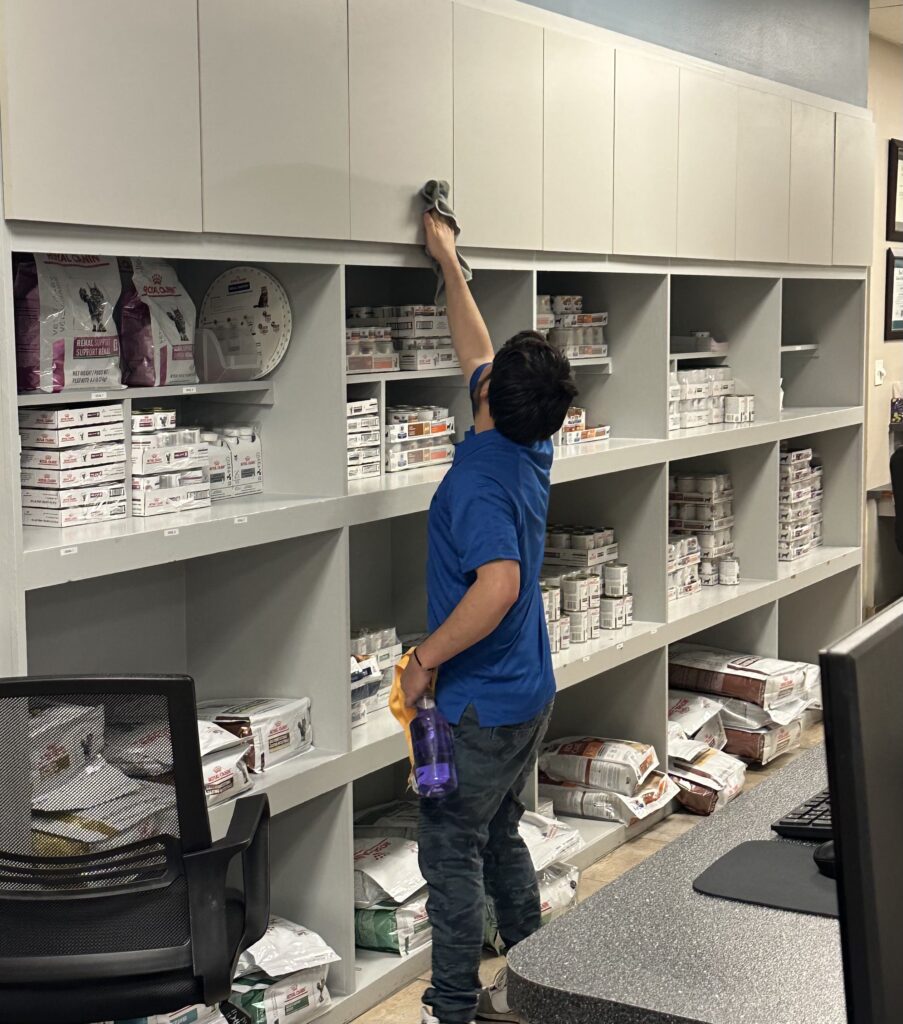
Clinical cleaning requires more than routine dusting and vacuuming. Treatment rooms, laboratories, and minor procedure areas demand targeted disinfection techniques. Surfaces must be cleaned and then disinfected using approved products with proper dwell times to ensure effectiveness. Even small oversights can compromise sanitation efforts.
Restrooms and waiting areas also require heightened attention. These shared spaces can quickly accumulate germs, especially during peak hours. Professional janitorial services implement strategic cleaning schedules and rapid-response protocols to address spills, contamination incidents, and unexpected sanitation needs. By maintaining rigorous standards throughout the facility, clinics create a safer and more welcoming environment for everyone.
The Role of Trained Janitorial Staff in Preventing Cross-Contamination
Well-trained janitorial staff are the backbone of effective infection control. Cleaning in a clinic is a technical responsibility that requires knowledge of proper chemical usage, personal protective equipment, and safe waste disposal methods. Staff must understand the difference between cleaning, sanitizing, and disinfecting, and know when each is required.
Ongoing training ensures that janitorial teams stay updated on evolving health guidelines and emerging pathogens. Properly trained professionals follow clear workflows that reduce the risk of transferring contaminants from one area to another. Their attention to detail and adherence to protocols provide an essential layer of protection that supports the clinic’s overall healthcare mission.
Conclusion: Partnering with a Trusted Janitorial Services Provider
Choosing the right janitorial services provider for your clinic is a critical decision that directly impacts patient safety and operational efficiency. A reliable partner will understand infection control protocols, comply with sanitation standards, and tailor services to the unique needs of your facility. Consistency, accountability, and expertise are key factors in maintaining a clean and compliant clinical environment.
If your clinic is looking for dependable, high-quality cleaning solutions, Volt Cleaning is ready to help. With experience in healthcare sanitation and a commitment to strict infection control standards, Volt Cleaning provides professional janitorial services designed to protect patients and staff alike. Contact Volt Cleaning today to ensure your clinic maintains the highest level of cleanliness and safety.